


Whether a joint supplement is doing anything depends on which ingredients are in it and how much of each your pet is getting. Omega-3s, green-lipped mussel, glucosamine, chondroitin, and collagen each work on a different part of the joint, and a label that lists a bit of everything often carries too little of what matters. Nearly all of these need several weeks of steady use before you would see a difference, which is why families quit on one right before it starts working. They do the most good started early and paired with keeping your pet lean and moving well, and once a limp appears, nutrition supports the rest of the treatment rather than taking its place.
The hard part is usually knowing whether what you are already giving is worth continuing. At Star of Texas Veterinary Hospital in Austin, our appointments leave room to read the labels with you and match a plan to your pet's age, weight, and what is happening in their joints. Sore hips and elbows make handling uncomfortable, so our Fear Free care means working with stiff pets on the floor, in your lap, or outside rather than lifting them onto a table. If you are not sure what belongs in your pet's routine, we are glad to sort through it with you.
Joint Supplements: What to Know First
- Omega-3s target inflammation, glucosamine and chondroitin feed cartilage, and collagen supports tendons and ligaments, so the right product depends on what's bothering your pet.
- A label listing ten ingredients in trace amounts usually does less than one ingredient dosed properly, so read the milligrams.
- Give any of these a fair trial measured in weeks rather than days: the change is usually a pet who stops hesitating at the stairs or doesn’t take two tries to get up from their nap, not anything dramatic.
- Supplements sit alongside weight control, sensible exercise, and pain treatment, and none of them can undo a torn cruciate ligament or a badly shaped hip.
What's Happening Inside a Joint That Hurts?
A healthy joint runs on smooth cartilage, slippery joint fluid, and the ligaments holding everything in line. Arthritis wears that cartilage thin and leaves the joint lining inflamed, so surfaces that used to glide start to grate, and your pet starts skipping the stairs. Several different problems end at that same worn joint.
| Problem | What's going on | Who it hits |
| Osteoarthritis | Cartilage thins, lining stays inflamed, the end point of most age-related joint change | Middle-aged and senior dogs and cats |
| Hip dysplasia | Ball and socket fit poorly, so the joint grinds | Large-breed dogs, and some cats |
| Elbow dysplasia | Developmental flaws create uneven wear | Fast-growing big dogs, often lame in year one |
| Cruciate ligament injury | A knee ligament tears, so the joint loses stability | Active dogs, and cats after a fall |
The shape of a hip is inherited, body weight decides the load crossing it with every step, and an old injury that healed well often sets up the arthritis we find years later. Joint supplements support cartilage maintenance and calm inflammation, but they can't change the shape of a joint.
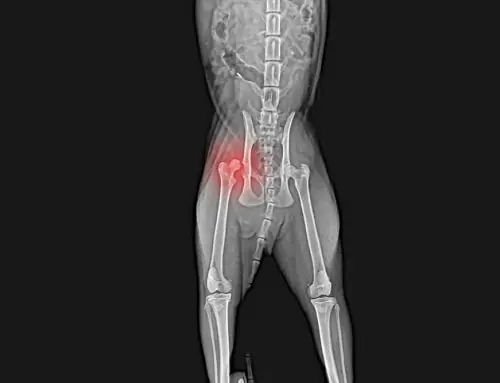
Cats are quieter about it: many stop jumping to the counter or get grumpy about being brushed over the hips long before anyone sees a limp, so finding the sore joint means watching how your cat moves, feeling each joint by hand, and sometimes an X-ray here.
Do Glucosamine and Chondroitin Really Work?
Glucosamine and chondroitin are the most studied joint ingredients in veterinary medicine, and they help modestly and slowly. They feed cartilage instead of blocking pain, which makes them a sensible base layer for an at-risk young dog or an early arthritic cat rather than something that changes a bad morning.
How Does Glucosamine Help Cartilage?
Glucosamine gives the body raw material for cartilage repair and joint fluid, and it may also prompt cartilage cells to build more of the matrix that cushions the joint while slowing cartilage breakdown. Many pets need four to six weeks of daily dosing before comfort changes, and missed days are a common reason it looks like it isn't working. Labels list it as glucosamine hydrochloride or glucosamine sulfate, with the hydrochloride form common in veterinary products.
What Does Chondroitin Add?
Chondroitin sulfate holds water inside cartilage so the tissue keeps absorbing shock, and it helps block the enzymes that break that cartilage down. In independent testing, some products have come in well below the amount their labels claim, which is why the guaranteed analysis matters more than the front of the bottle.
What Do Omega-3s Do for a Stiff Joint?
The EPA and DHA in fish oil lower the inflammatory compounds that collect in a sore joint, which for some arthritic dogs and cats means looser movement after a nap and a smaller dose of pain medication. They don't rebuild cartilage; they quiet the inflammation sitting on top of it.
Fish and other marine oils supply EPA and DHA directly. Flaxseed and other plant sources carry ALA instead, and dogs and cats convert very little of it, so a flax-based product isn't a substitute. Dose by the milligrams of EPA and DHA on the guaranteed analysis rather than the size of the softgel, because a 1,000 mg fish oil capsule may hold only about 300 mg of the two combined.
How Do You Pick a Fish Oil Worth Giving?
Look for third-party testing and a guaranteed analysis that lists EPA and DHA in milligrams. Oil goes rancid, so keep it in the fridge once opened and throw it out if it smells sharp. Work up to the full amount over a week or two, since loose stool is the usual complaint. If you aren't sure how much your pet is getting, book a nutrition consult and we'll set the dose against your pet's weight and diet.
Is Green-Lipped Mussel Worth Adding?
Green-lipped mussel is worth adding for many arthritic pets, because one whole-food ingredient carries omega-3 fatty acids, glycosaminoglycans, minerals, and anti-inflammatory compounds at once, so it can work on more fronts than a single-ingredient product. In clinical studies, dogs and cats given it daily for several weeks showed measurable gains in pain scoring and mobility.
Amounts go by body weight, and it comes as a powder for wet food, a soft chew, or a capsule. It's generally well tolerated alongside glucosamine, chondroitin, fish oil, and prescription pain medication, with a known shellfish allergy as the exception. Whether it joins the glucosamine you already buy or replaces it depends on what your pet needs, and our veterinarians can tell you which parts of the routine are worth keeping.
Does Collagen Do Anything for Pet Joints?
Collagen is the most abundant structural protein in the body, and much of the cartilage, tendon, and ligament around a joint is built from it. Natural collagen production tapers off with age, which is why collagen turns up in so many joint formulas. Two kinds appear on labels, and they aren't interchangeable.
- Hydrolyzed collagen: broken into smaller peptides the gut absorbs more readily, and given in gram amounts as a building-block supply.
- Undenatured type II collagen: sold as UC-II, given in milligrams, and working through the immune system's response to cartilage rather than by handing over raw material.
Canine research is encouraging but younger than the glucosamine literature, so collagen is a useful addition rather than the foundation. With dietary supplements the label is the only place to learn which type you're buying, and daily consistency matters more than which brand you buy.
What About MSM, Antioxidants, and Hyaluronic Acid?
These are the secondary ingredients on a joint label: the biology is reasonable, the clinical evidence is thinner than for omega-3s or glucosamine, and they're worth having inside a blend you already trust rather than a reason to pick one product over another.
- MSM: Methylsulfonylmethane is a sulfur compound with anti-inflammatory and antioxidant activity, and sulfur goes into building connective tissue. Research in pets is limited, but it's well tolerated and common in multi-ingredient chews.
- Vitamins C and E: Vitamin C supports the body's own collagen production, vitamin E protects cells from oxidative damage, and both usually sit in small supportive amounts.
- Manganese: A cofactor for the enzymes that assemble cartilage, which is why it rides along in so many glucosamine products.
- Herbal anti-inflammatories: Turmeric, boswellia, and devil's claw are everywhere, and absorption varies widely between products. Ask our team before adding one to a pet already taking an anti-inflammatory medication.
- Hyaluronic acid: A normal part of joint fluid that contributes to the cushioning. It's given by mouth in supplements and injected into a joint in some treatment plans.
How Do These Ingredients Work Together?
Each ingredient covers a different part of the problem, which is why a well-chosen senior joint supplement usually combines several of them.
| Ingredient | What it targets | What to expect |
| Glucosamine and chondroitin | Cartilage supply and the enzymes that degrade it | Gradual and modest, four to six weeks in |
| Omega-3 EPA and DHA | Inflammation inside the joint | Looser movement, sometimes less pain medication |
| Green-lipped mussel | Cartilage, inflammation, and joint fluid at once | Weeks of daily dosing, often an easy sell to cats |
| Collagen | Cartilage, tendons, and ligaments | Slow and structural, measured in months |
| MSM and antioxidants | Inflammation and oxidative stress | Supportive, best inside a blend |
| Hyaluronic acid | The thickness of joint fluid | Variable, usually paired with other ingredients |
A two-year-old Lab with loose hips on X-ray needs a different plan than a 13-year-old cat who stopped landing on the bed. Keeping your pet lean does more for a sore hip than any bottle on this list, and in Austin, where the warm season runs long, steady daily walks in the cooler hours do more than one long weekend hike.
How Can You Tell a Quality Supplement from a Wasted One?
Supplements aren't held to the testing standards medications are, so telling a worthwhile joint supplement from a wasted one comes down to quality seals, active ingredients in specific amounts, and a company willing to say where its raw materials come from.
A few patterns to walk away from:
- Proprietary blends: A "joint complex, 500 mg" never tells you how much of each ingredient your pet is getting.
- No lot number or expiration date: Those are what make a problem traceable later.
- Human products scaled down by guesswork: Some human formulas contain xylitol, which is toxic to dogs, and eyeballing an adult dose for a 10-pound cat is how pets end up on too little to matter.
The National Animal Supplement Council seal is a reasonable shortcut, since it audits manufacturing and label accuracy. Never give your dog or cat human anti-inflammatories like ibuprofen or naproxen, and never give acetaminophen: these can cause stomach ulcers and kidney damage, and a single dose of acetaminophen can be fatal to a cat. If your pet is sore enough that the medicine cabinet is tempting, call us instead.
Our online pharmacy has a great selection of veterinarian-trusted joint supplements that have both appropriate dosing to be effective and quality testing. Start one product at a time so you can tell what helped, watch stool quality the first week, and tell us if nothing has changed after a couple of months. That's a reason to change the plan, not to add a fourth bottle.
When Should You Start, and How Long Until You See a Difference?
Joint nutrition does the most good when it goes into the routine before there's a limp to treat, and even then the change takes weeks rather than days. The pets who gain the most fall into a few groups.
- Large-breed puppies: hips and elbows are still forming, which makes this the widest window.
- Dogs prone to cruciate tears: Labradors and Rottweilers are the usual examples, and a cat who has already taken one bad fall belongs here too.
- Middle-aged pets: a dog or cat who is slow off the floor in the morning is the next best window.
- Seniors with diagnosed arthritis: still worth it, though nutrition becomes a layer underneath pain medication and weight control rather than the main treatment.
What families report first is a dog who gets up without the pause, or a cat back on the window perch. Write down two or three things your pet can't comfortably do now so you have something to compare against later, and Fear Free recheck exams keep that comparison going without a wrestling match with a stiff cat. A pet who goes from stiff to suddenly unable to put weight on a leg has a new problem, not a supplement that quit working.
Questions Families Ask About Joint Supplements
Can I feed a joint diet instead of a supplement?
Therapeutic joint diets are a legitimate option, and the easiest path for a dog who refuses anything added to the bowl. The amounts in a prescription diet are formulated to be meaningful, which isn't true of every over-the-counter bag advertising glucosamine. The tradeoff is flexibility: a diet ties the dose to how much your pet eats, and a pet who needs to lose weight is eating less of it.
My cat won't take a capsule. What are the options?
Liquids and powders mixed into wet food go over far better than anything you have to get down a cat's throat. Feline-specific chews exist, and many cats accept them crushed and stirred in. Start with a fraction of the dose so the flavor isn't a shock, and keep the bowl and the routine the same. Tell us before you give up, because the format is usually the problem rather than the ingredient.
Can my pet take these with their other medications?
Most joint supplements combine safely with the medications we prescribe for arthritis, and that pairing is usually the goal. A few interactions matter: fish oil at high doses can affect how platelets work, which matters ahead of surgery or a dental procedure, and some herbal anti-inflammatories overlap with prescription ones. Pets with kidney, liver, or heart disease need the whole list reviewed together, treats with added ingredients included.
Building a Joint Plan That Fits Your Dog or Cat
There's usually a clear answer about whether the bottle in your cupboard is doing any good, once we know your pet's weight, how their joints feel on exam, and what the label really contains. Schedule a joint health exam at Star of Texas Veterinary Hospital on Brodie Lane in south Austin, and we'll build a plan to keep your pet moving comfortably.