


Brushing your pet's teeth is worth doing every day, and the reason reaches past the mouth. Periodontal disease, where bacteria break down the tissue that holds the teeth in place, is painful and progressive on its own, and chronic inflammation and infection can damage your pet's heart, liver, and kidneys. Every chew in an infected mouth pushes bacteria from the inflamed gumline into the bloodstream, where they can settle on a heart valve or add to the inflammatory load the liver and kidneys are left to filter. Dogs with advanced periodontal disease show changes in those organs more often than dogs with healthy mouths, and cats hide the problem well, since they will keep eating through serious dental pain.
At Star of Texas Veterinary Hospital in Austin, we will show you how to start toothbrushing on a pet who has never had it done and which rinses, chews, and water additives actually keep plaque in check. Saying yes to anesthesia for an older pet with a murmur is the harder part, so we look at the heart first with bloodwork and imaging. Once we know what we are working with, we treat the infection under the gumline with a professional cleaning and full-mouth X-rays, plus extractions when a tooth is past saving, and as Austin's first Fear Free certified practice, we work hard to make your pet’s experiences as low-stress as possible. If your pet's breath has turned or a dental has been sitting on your list, get them on our schedule and we will look at the mouth and the rest of the body together.
Dental Disease and the Heart: The Basics
- Bad breath is usually the first thing a family notices, and it often means an infection has been working below the gumline for months.
- In people and dogs both, gum disease and cardiovascular risk rise together, and chronic inflammation is the most likely link.
- Disease sitting below the gumline can only be reached and treated during a cleaning under general anesthesia, with X-rays of every tooth.
- Daily brushing with pet-safe toothpaste and tested dental products slows the buildup between cleanings.
Is My Pet's Bad Mouth Hurting Their Heart?
Dental disease hasn't been directly proven to cause heart disease in dogs and cats, but the evidence points to a strong association and can cause more strain on a heart that’s already struggling. Bad mouths and diseased hearts turn up in the same patients often enough that clearing the infection out of a mouth is a sensible part of looking after a heart.
What Does the Veterinary Evidence Say?
The clearest veterinary finding so far links gum disease and heart problems at the severe end: dogs with advanced periodontal disease show higher rates of heart valve inflammation and heart failure than dogs with healthy mouths.
In human studies, brushing habits track with heart risk, with cardiovascular disease two to three times more common in people who brush least often than in people who brush well. Human and canine hearts fail differently, so that figure doesn't transfer across species, but the principle does: long-running inflammation taxes the whole body, wherever it starts.
How Does Gum Infection Travel to the Heart?
Bacteria living in inflamed gum tissue enter the bloodstream with every bite, the mechanism most often proposed to connect oral health and heart disease: not one big event, but a small dose many times a day, for years.
Circulating oral bacteria can settle on a heart valve and establish endocarditis, an uncommon but dangerous infection, and pets already living with a murmur or valve disease sit at the higher-risk end. A valve that has already changed shape may give bacteria a rougher surface to hold onto, and a heart working harder than it should has less margin for an extra inflammatory load. That's why a full oral evaluation is part of the appointments where we're following a murmur, not only the annual visit.
Can Dental Disease Affect My Pet's Liver and Kidneys?
It can. The liver and kidneys filter the bacteria and inflammatory byproducts that escape an infected mouth into the bloodstream, day after day. Large studies have found that dogs with more severe periodontal disease are more likely to show changes in kidney and liver values, and cats with dental disease are more likely to develop chronic kidney disease.
As with the heart, these studies show a link rather than proof that one causes the other. The likely explanation is the steady inflammatory load. Every bite in an infected mouth sends a small dose of bacteria into circulation. The liver works to clear it, and the kidneys' delicate filters can be inflamed by it over months and years. For a pet whose kidneys or liver are already struggling, that extra work matters.
The connection runs both ways. Kidney disease can cause mouth ulcers and a sharp, ammonia-like breath that families often blame on the teeth, so bad breath in a senior pet is worth a look at both the mouth and the bloodwork. That's one reason every dental here starts with lab work. Kidney and liver values tell us how to tailor anesthesia, and IV fluids during the procedure help protect the kidneys. Liver values also matter before extractions, because the liver makes the proteins that help blood clot. For a pet with kidney or liver disease, clearing a chronic mouth infection takes one more burden off organs that are already working hard.
What Is Periodontal Disease, and Why Does It Get So Bad Before Anyone Notices?
Periodontal disease is a bacterial infection of the gum, ligament, and bone that anchor a tooth in the jaw. It reaches an advanced stage quietly because nearly all of the damage happens below the gumline, where you can't see it, and dogs and cats keep eating straight through it. Bacteria at the gumline set off an immune response that destroys soft tissue and bone, so the body's own inflammation does much of the damage.
The stages of periodontal disease are graded by how much attachment and bone have been lost, and they move in one direction:
- Plaque and gingivitis: A bacterial film with red or puffy gums and no bone loss yet. This stage reverses with a cleaning.
- Early attachment loss: The gum starts detaching and X-rays show slight bone loss. That doesn't reverse, but it can be held steady.
- Moderate bone loss: Deeper pockets, more bone gone, and usually painful. Some teeth may not be savable.
- Advanced disease: Loose teeth, exposed roots, and established infection. Extraction is often the kindest fix.
Catching a mouth at that first stage changes the outcome, so dental exams at our Austin hospital check the gumline and feel for loose teeth rather than stopping at the tartar you can see.
Which Heart Symptoms Should I Watch For, and When Is It Urgent?
A cough that gets worse at night, tiring halfway through a normal walk, fast or labored breathing at rest, and fainting are the signs of heart disease that families most often chalk up to age, and they tend to arrive one at a time. Cats are harder to read, since they don't usually cough with heart disease, and fast breathing at rest or open-mouth breathing is often the first clue a family gets.
Small dogs often have two problems building at once. Mitral valve disease, a slow leak in the valve on the left side of the heart, is the most common acquired cardiac condition in dogs and lands hardest on small breeds. Crowded jaws trap plaque between teeth that sit too close together, which puts dental disease in small-breed dogs on a faster, more severe track than in bigger dogs, so a ten-pound Terrier can be building both before anyone notices.
| What you're seeing | How fast to act |
| Bad breath, visible tartar, chewing only on one side | Book an exam |
| Night cough, tiring early on walks, a fuller-looking belly | Call us this week |
| Fainting or collapse, even brief | Emergency |
| A cat breathing with an open mouth, or panting at rest | Emergency |
| Gums or tongue that look pale, gray, or blue | Emergency |
Chest X-rays and bloodwork give us the first picture of what the heart is dealing with, and because a cough can also come from the airways, those X-rays help tell the two apart. When the valves are the question, a cardiac ultrasound shows them moving. Breathing trouble and collapse can't wait, so call ahead on your way in, and if it happens on a weekend or after we've closed for the evening, go straight to the nearest Austin emergency hospital.
What Happens During a Professional Dental Cleaning?
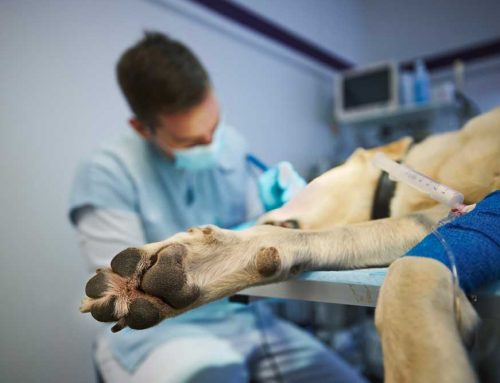
A dental cleaning is a medical procedure performed under general anesthesia, and scaling the tartar you can see is a small part of it. Being asleep is what allows us to X-ray every root, clean beneath the gums, and handle what we find in a single visit without your pet feeling any of it.
Why Can't the Teeth Be Cleaned While My Pet Is Awake?
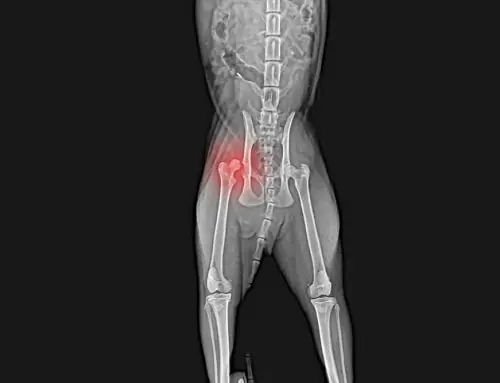
An awake cleaning polishes the crowns and stops there. Most of each tooth sits below the gumline, where root fractures, bone loss, and abscesses stay invisible during an awake exam, and only full-mouth dental X-rays will find them. We take those images here, and they change the plan often enough that we don't do a dental without them.
What Should I Expect on the Day of the Dental?
- Before anesthesia: We start with bloodwork, and for a senior or a pet with known heart disease, chest X-rays and heart imaging come first.
- The anesthetic plan: Drugs and doses are chosen around your pet's age, heart, lab values, and any medication they already take.
- Full-mouth X-rays: Every tooth is imaged, roots included, before anything gets cleaned or removed.
- Scaling and polishing: Tartar comes off above and below the gumline, then polishing smooths the enamel so plaque has less to grip.
- Probing and charting: We measure and record the pocket depth around each tooth, which is how we decide which teeth can be saved.
- Pain control and recovery: Pain medication is part of the plan from the start, monitoring continues into recovery, and we go through the X-rays and findings with you.
Some teeth are too damaged to save, and pulling one of those is a relief rather than a loss, because a loose, infected tooth hurts your pet every time they eat. Pulling a damaged or infected tooth also removes the source of bacteria entering your pet’s bloodstream every time they chew.
What Home Care Actually Keeps a Mouth Clean?
Brushing every day is the home care that works best. A soft brush run along the gumline keeps plaque from hardening into tartar, which holds down both the bacterial load and the gum inflammation that can reach the bloodstream. A quick pass every night does more for a mouth than one thorough session a month, and dental diets, chews, and water additives help with what the brush misses.
How Do You Brush a Pet Who Hates It?
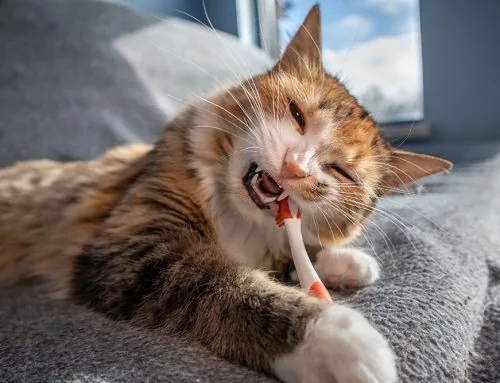
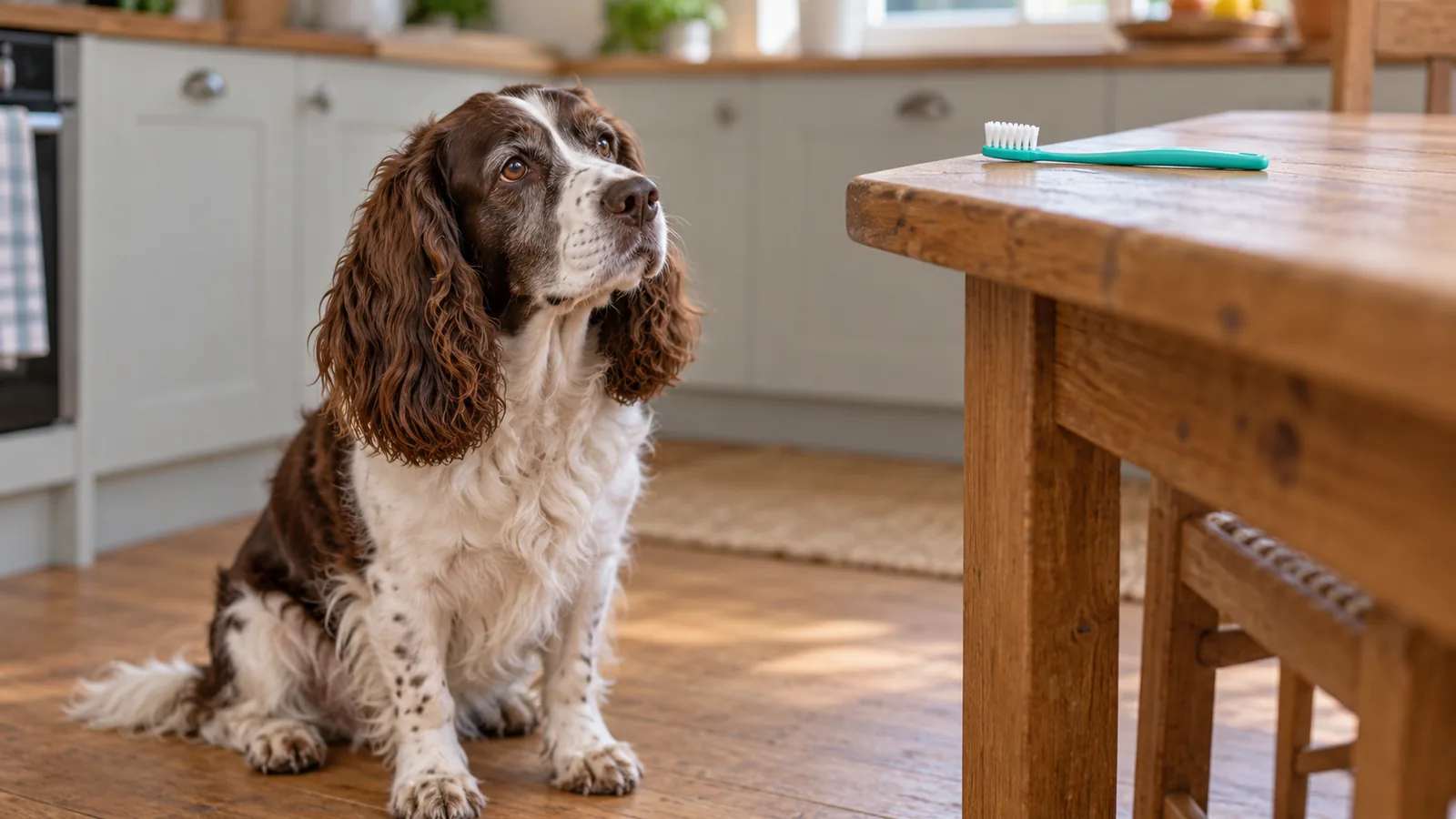
Brushing teeth at home goes best in stages: a lick of pet-safe toothpaste off your finger, a finger brush after a week or two, then a soft-bristled brush once the routine feels ordinary.
Never use human toothpaste. Fluoride can upset a pet's stomach in the amounts they'll swallow, and xylitol, the sweetener in many human brands, is toxic to dogs. Keep the brush next to the leash and brush when the walk ends, and if daily isn't realistic in your house, a few solid sessions a week paired with a tested chew still helps.
Do Dental Chews and Water Additives Actually Help?
The tested ones do. A tooth printed on the bag means nothing on its own, while a product carrying the Veterinary Oral Health Council seal has cleared testing that showed real reductions in plaque or tartar.
A dental diet is shaped and textured to scrub the tooth surface as your pet bites through the kibble, while additives and treats work chemically against the bacteria that build plaque or through gentle abrasion. Supervise anything your pet gnaws on, and skip bones, hooves, and antlers, because an enthusiastic chewer can crack a tooth on something that hard and turn a dental into a bigger procedure. None of these replace a cleaning on a set schedule.
Common Questions About Dental Disease and Heart Murmurs
Can a cleaning quiet my dog's heart murmur?
A cleaning can't reverse a murmur, because that sound comes from a valve whose shape has already changed, and the valve doesn't go back. What a cleaning does is lift a constant source of infection and inflammation off a heart that's already compensating for the leak.
Is anesthesia safe for a senior pet with a heart murmur?
Many healthy seniors handle anesthesia well, and age on its own isn't a reason to skip a dental. Our veterinarians look at bloodwork and the heart beforehand and build the anesthetic plan around what we find, which is a different plan for a twelve-year-old with a murmur than for a young, healthy dog. Seniors often gain the most from a dental, since gum disease and heart changes tend to advance on the same timeline, and leaving an infected mouth alone carries its own risk that keeps building. Where a dental sits in the schedule depends on your pet's age and what else is going on, so we weigh it alongside the rest of their preventive care in Austin.
Does gum disease matter as much for cats?
Cats get periodontal disease, and they also get tooth resorption, a painful process where the body breaks down the tooth structure itself. The common feline heart conditions aren't clearly tied to gum disease the way they are in dogs, so for cats the argument rests mostly on pain, and a cat with a badly sore mouth will usually keep eating and acting normal.
Let's Get Your Pet's Mouth Comfortable Again
A sore mouth is easy to miss, and treating it is one of the clearest ways to make a pet feel better. If you've been putting a dental off, or you're not sure whether your pet's mouth needs attention at all, book a visit with us at Star of Texas Veterinary Hospital in Austin and we'll look at the mouth, the heart, and how the two are getting along.