


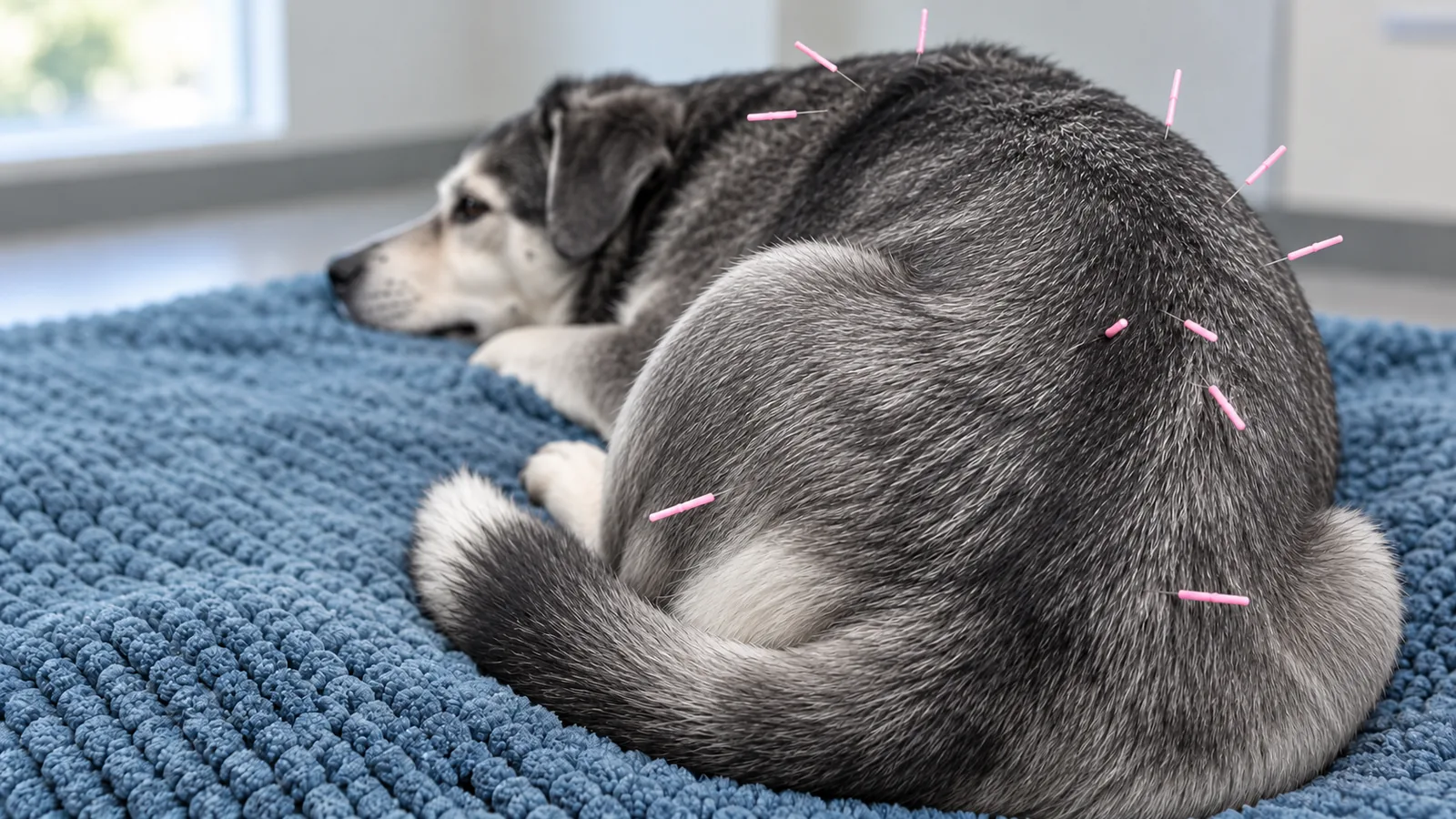
Veterinary acupuncture helps most with chronic pain: arthritis, back and disc disease, hip dysplasia, and soreness after surgery. Thin needles placed at specific points stimulate the nervous system to release your pet's own pain-relieving compounds, bring more blood flow to the tissue, and quiet inflammation. It can also help with nausea, sluggish digestion, anxiety, and the constant itch of allergic skin disease. It works alongside medication rather than replacing it, which matters most when your pet is still sore on what they already take or cannot tolerate a higher dose.
It is fair to hesitate before adding one more thing to a pet who is already on daily pain medication and still takes a minute to get up off the floor. At Star of Texas Veterinary Hospital, acupuncture is part of how we practice veterinary medicine in Austin, with longer appointments that let us look at your pet's whole picture and be honest about what their current treatment is and is not doing. We are a Fear Free certified practice, so a session can happen on the floor, in your lap, or outside in our exam space, which is often the difference between a pet who tolerates needles and one who dozes off. If you want to know whether this belongs in your pet's plan, give us a call.
What Acupuncture Can and Can't Do for Pets
- Acupuncture adds to your pet's current treatment rather than replacing it, and chronic pain is where it works best.
- Thin needles at chosen points work through the nervous system rather than through a drug.
- It's also used for nausea, anxiety, slow digestion, and the overactive immune response behind allergic skin and ear disease, always on top of a real diagnosis.
- Some pets look looser after one or two sessions, while long-standing pain usually needs a short course of visits before you notice a change.
What Is Veterinary Acupuncture, and How Does It Work?
Veterinary acupuncture stimulates nerve fibers at specific points on the body, and those signals travel to the spinal cord and brain, where they prompt the release of endorphins and other natural pain-relieving compounds while increasing local circulation and calming inflammation. It came out of traditional Chinese medicine, and what's known about the points now comes from nerve mapping, imaging, and measuring what the body releases after a point is stimulated.
The needles are thin and solid rather than hollow, so placement doesn't feel like an injection, and many dogs and cats barely react when one goes in. Which points get used is a clinical decision, which is why it belongs with the veterinarian who does our acupuncture, Dr. Sabo, who is trained in it and has already examined your pet's spine, hips, and the way they move.
What Conditions Can Acupuncture Treat in Dogs and Cats?
Chronic pain leads the list: osteoarthritis, back and disc disease, hip dysplasia, and soft tissue injuries, with nausea, slow gut motility, anxiety, and allergic skin and ear disease behind it. Weight and body condition change how much a sore joint hurts, so for senior pets acupuncture runs alongside the wellness and preventive care that tracks both.
Which Joint and Back Problems Respond Best to Acupuncture?
The strongest evidence sits with chronic musculoskeletal and nerve pain. Pain that has been around a long time changes the system carrying it: the spinal cord and brain become more sensitive, so the signal keeps firing on days when the joint itself isn't any worse. That's part of why a dog on a reasonable dose of medication can still look stiff. Acupuncture works at both ends of that, quieting inflammation in the sore tissue and changing how the nervous system handles the pain signal.
| Condition | What acupuncture is aiming at |
| Osteoarthritis | Joint inflammation and the stiffness that follows rest |
| Intervertebral disc disease | Nerve pain and the muscle guarding around a damaged disc |
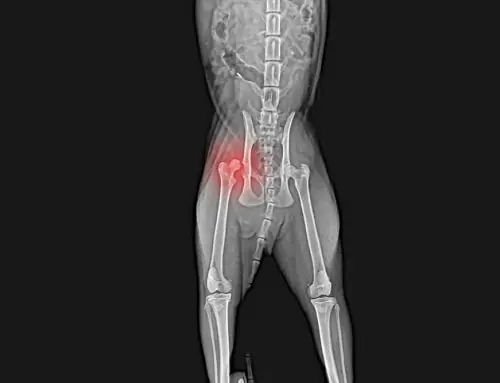
| Hip dysplasia | Deep joint pain, plus the compensating muscles that get sore |
| Spondylosis, the bony bridging along an aging spine | Stiffness and the pinched-nerve pain it can cause |
| Pain after surgery | Comfort during healing, sometimes on lower medication doses |
| Soft tissue strains and sprains | Blood flow to healing tissue and a faster return to normal use |
| Muscle spasm and tight bands in muscle | The knot itself, which is often the sorest spot on the exam |
Surgery is one place acupuncture earns its keep in the short term, too. Reducing postoperative discomfort in dogs is an active area of research, and a session during recovery can make the first days after an orthopedic or soft tissue procedure easier on your dog.
Can Acupuncture Help with Stomach, Skin, and Ear Problems?
Acupuncture has a real role outside of pain, mostly where the nervous system and the immune system are driving the problem.
- Gut motility and nausea: Pets whose stomachs empty too slowly, who have on-and-off nausea, or who have inflammatory bowel disease can get real relief from treatment aimed at the nerves that run the digestive tract, and acupuncture can help get a sluggish gut moving again.
- Skin and ears: Chronic itching, paw licking, and skin that flares every few months are the daily reality of allergies. An integrative approach to skin problems uses acupuncture alongside conventional treatment to help settle the overactive immune response behind the itch.
None of that replaces the workup. An itchy dog needs a skin exam, and we read skin scrapings and ear swabs here under the microscope to see whether Malassezia yeast, bacteria, or mites are involved. Chronic vomiting or loose stool starts with bloodwork, and imaging often fills in the rest.
Can Acupuncture Help an Anxious Pet?
Acupuncture can take the edge off anxiety, including noise and storm fears, separation distress, and the general restlessness some older pets develop. Stimulating certain points appears to calm the stress response, and many pets settle noticeably during a session. For an anxious pet, it works best as one part of a plan that also includes behavior work, environmental changes, and sometimes medication, which is why we offer behavior consultations alongside it.
It can also change how a vet visit goes. Because acupuncture can help reduce stress at the vet, starting an appointment with a few calming points can lower fear for the exam, vaccines, or blood draw that follow. For pets with moderate to severe visit anxiety, we may pair that with pre-visit anti-anxiety medication given at home, so your pet arrives calmer before the first needle ever goes in. Fear-Free care is a passion of ours at Star of Texas Veterinary Hospital, so talk to us about how we can help lower your pet’s stress at the vet and we’ll make a plan together.
How Does Acupuncture Fit Into a Bigger Treatment Plan?
Acupuncture is one layer of a plan, and two or three approaches running together usually work better than one pushed hard. Acupuncture for pain management fits especially well alongside conventional pain medication and rehabilitation, because each one works on a different part of the problem.
| Approach | What it does | How acupuncture fits in |
| Anti-inflammatory medications (NSAIDs) | Reduce joint inflammation, the backbone of arthritis care in dogs | Can sometimes allow a lower daily dose, with bloodwork to monitor kidneys and liver |
| Gabapentin and amantadine | Calm nerve pain and the "turned up" pain signal of long-standing arthritis | Works on the same nervous system pathways from a different direction |
| Monthly arthritis injections | Antibody injections (Librela for dogs, Solensia for cats) that block a key pain signal | Adds relief for pets still sore between doses |
| Rehabilitation and exercise | Controlled walks, strengthening work like sit-to-stands, and hydrotherapy rebuild muscle that supports sore joints | Often makes a pet comfortable enough to do the exercises that keep them mobile |
| Weight management | Takes load off every painful joint | Acupuncture can't outwork extra pounds, so this stays part of every plan |
Cats have fewer safe long-term pain medication options than dogs, which makes a non-drug layer like acupuncture especially valuable for an arthritic cat. If your pet would benefit from formal rehabilitation, such as underwater treadmill work, we can point you toward a rehabilitation provider in the Austin area and coordinate the plan with them.
How Do I Know If My Dog or Cat Is in Pain?
The signs are usually behavioral rather than dramatic. Chronic pain builds slowly enough that the dog who quit jumping onto the couch two years ago simply reads as an older dog.
Arthritis gets most of the attention, but dental disease, urinary problems, and cancer sit on the same short list of conditions that cause pain, and several of them never produce a limp at all. Hiding discomfort is normal animal behavior rather than toughness, so the most useful signs are the ones a pet can't cover up: pulling away from the family, moving differently, giving up a spot they used to love. An Austin dog who still heads out to the Barton Creek Greenbelt on weekends can be sore the rest of the week, and the long naps afterward read as ordinary tiredness. What families notice first also isn't the same in dogs as in cats.
Cats often lean toward hiding and sleeping more, skipping the litter box because stepping over a high side hurts, and not using their normal perches like a windowsill or top of a cat tree.
If you've recognized any of that in your own dog or cat, schedule a pain assessment and we'll put hands on your pet and give you a baseline instead of a guess.
What Happens During an Acupuncture Visit?
The first visit at our South Austin hospital is mostly examination and conversation, needles go in after that, and the session itself usually runs 20 to 40 minutes. Bring whatever records and X-rays your pet already has, along with a video of how they move at home, because a sore dog or cat moves differently on their own floor than in an exam room.
What Happens at the First Acupuncture Consultation?
We go through a full physical and orthopedic exam, read what those records show, and ask what you want back: the stairs, the bed, the first twenty minutes of a walk. Treatment typically opens with an induction course, a run of sessions close enough together to show whether your pet responds, followed by a maintenance schedule. How often depends on the condition and on the pet in front of us.
What Does a Session Look Like, and How Do Pets React?
Your pet gets settled wherever they're most comfortable first, then needles go into the points chosen for their problem. Fear Free handling is why that can happen on a blanket on the floor or with a cat tucked against your chest, and a relaxed patient holds still far better than a restrained one. Most dogs and cats loosen up as the session goes on, and a good number fall asleep.
Mild tiredness for the rest of the day is common, and so is a day or two of looking a little more sore before looking better. Neither means something went wrong, but if your pet is still off after those first couple of days, we want to hear about it so the next session can be adjusted.
How Long Before I See a Difference?
Some pets are visibly looser after one or two sessions, and others need several. Long-standing pain, where the nervous system has spent years amplifying the signal, usually takes longer to shift than a recent injury, so a slow start isn't a sign that it's failing. Once your pet is comfortable, we stretch the gap between sessions as far as their comfort allows.
Which Pets Are the Best Candidates for Acupuncture?
The best candidates are pets in chronic pain who have run short of safe medication options. Acupuncture is generally well tolerated across sizes, ages, and both species, so a small senior cat and a giant-breed dog can both be good candidates.
- Joint or back pain with limited drug options: When kidney or liver values rule out a daily anti-inflammatory, or a stomach won't tolerate one, a non-drug option is worth a great deal.
- Recovery from spinal or nerve injury: Dogs working back from disc disease or spinal surgery often gain both comfort and better use of a weak limb, and acupuncture is also used for other nervous system disorders such as nerve damage and some cases of weakness.
- Anxious pets and stressful visits: Pets who struggle with noise, separation, or vet visits can benefit from a calmer baseline, and an acupuncture session at the start of an appointment can make the rest of the visit easier.
- Chronic gut or allergic disease that's only partly controlled: When conventional management gets you most of the way there, acupuncture can be a reasonable next layer.
- Senior pets stacking medications: A dog or cat already taking three prescriptions may get more comfort from taking fewer pills than from adding a fourth.
One thing not to do while you wait for that appointment: never give your dog or cat a human pain reliever. Ibuprofen and naproxen damage the stomach and kidneys, and acetaminophen is dangerous enough for cats that a single tablet can be fatal. If your pet has already had a dose, call us or the Pet Poison Helpline right away.
Common Questions About Acupuncture for Pets
Can My Pet Stay on Their Arthritis Medication?
Most pets should stay on their arthritis medication, at least to start. Acupuncture is built to work alongside gabapentin, an anti-inflammatory, or a monthly injection for arthritis pain rather than to replace them. Over a treatment course some patients do well on a lower dose, and when that happens we lower it deliberately, with bloodwork and a recheck, instead of stopping anything on a hunch. Stopping a pain medication abruptly usually just leaves your pet sore again.
Is There Any Pet Who Shouldn't Have Acupuncture?
Very few pets are ruled out entirely, but some situations need a conversation first. Needles don't go through infected skin or into a known mass, and pets with clotting disorders or poorly controlled seizures need their case reviewed before we start. In pregnant animals, some points are avoided. The more common sticking point is a patient who hates being handled, which we can usually work around.
Does Acupuncture Work as Well in Cats as in Dogs?
Cats respond well, and the harder part with them is logistics rather than biology. A cat who's already tense at a hospital may need a quiet room, a towel from home, and a slower approach to that first session. Many settle once they figure out nothing hurts. If you're not sure whether your cat is a candidate, call or text us and we'll talk through what we'd look at first.
Finding Out Whether Acupuncture Will Help Your Pet
If your pet needs a minute to get up, has given up a favorite perch, or is still sore on what they're already taking, Star of Texas Veterinary Hospital can tell you what acupuncture is likely to do for them, and we'll say so if we don't think it will help. Book an evaluation and we'll start with a hands-on look at how your pet moves.